

This DIY stairs makeover shares tips for prepping and painting a staircase to give it a fresh, lighter look. Painting my dark, shellac-finished stairs made a big difference—the space feels brighter and more open, and the steps are easier to see. If you have a dark or enclosed staircase, paint can be a simple way to update it.
Why Paint A Staircase
Painting a staircase is an affordable way to give it a fresh, updated look, and it’s a project most people can tackle over a weekend or two. I spent just under $250 on supplies, including carpet treads, and worked from Saturday morning through late Sunday evening with some help along the way. This covered the treads, risers, and stringers only—I didn’t paint the surrounding walls, and there were no handrails or spindles involved. If your staircase includes those elements, plan to add extra time.
When Not To Paint A Wood Staircase
If your staircase is made from hardwoods like oak, cherry, or maple and is in good condition, staining may be a better option than painting. It can cost more and take longer, but finished hardwood stairs are hard to beat. In our case, the stairs were pine, so painting made sense. Replacing the treads with hardwood would have been costly, and I’m happy with how the painted stairs turned out.
DIY Stairs Makeover – How to Prep & Paint A Staircase
Before getting started, I should note that I’m not a contractor or professional painter—just a DIYer with plenty of home improvement projects under my belt. The steps below are what worked well for this project. If you have questions, your local paint store is a great resource, and bringing a photo of your staircase can help them guide you before you begin.

Supplies
- A quality Porch & Floor Paint
- A primer like Zinsser Bulls Eye
- Sanding blocks (palm sander for treads – optional)
- A deglosser (if needed/optional)
- A bucket of water and a sponge
- 2.5″ – 3″ inch paint brush
- A small paint cup or a small bucket you can easily carry up and down stairs
- Painters’ tape (We like FROGTAPE brand)
- Wood filler
- A staple gun
- Carpet stair treads or a runner
STEP 1: Clean the Surface
Before painting, wipe down the stairs with a clean cloth or sponge and a bucket of water. If needed, use a mild degreaser to remove built-up grime and oils.
STEP 2: Sand The Surface
Lightly sand the stairs to help the paint adhere and reduce chipping. If your stairs have a heavy layer of gloss or varnish, a deglosser can also help—but in most cases a light sanding is enough. Be sure to wipe the surface with a damp cloth to remove dust before moving on.
STEP 3: Fill in any holes
After removing many carpet tacks, we used wood filler to fill as many holes as possible, then sanded down any high spots once the filler dried. This step was a bit tedious, but it made a big difference. I highly recommend not skipping it—the stairs look much more finished because of it.

STEP 4: Tape & Prime
Use painter’s tape to protect any areas you don’t want to paint. We like Frogtape brand, though we used up some leftover blue tape here and ended up doing a few touch-ups afterward.
Next, apply a quality primer like Kilz or Zinsser Bulls Eye. I poured the primer into a small handled paint cup to make it easier to carry up and down the stairs and used a 2½-inch angled brush for good coverage. One coat of primer was enough, and it dried quickly.

STEP 5: Paint
Now for the actual painting part! Use the same bucket and brush as above and paint the stairs. Working top to bottom. My stairs took three coats of paint with drying time in between. Set a fan out or open windows to help the drying process. The paint we used was Sherwin-Williams Porch and Floor Enamel in Extra White (Satin).
STEP 6: Add a rug runner or carpet treads (optional)
Adding a runner or carpet treads is optional but highly recommended. The carpet treads we chose added color contrast and much-needed traction on our steep stairs. Even with a slip-resistant rubber backing, they still shifted a bit, so we secured the corners with a staple gun. The staples can be removed easily if we ever decide to replace them.
I hope this DIY was helpful. I painted the staircase in early fall, and months later the finish is still holding up well—even with daily wear from two busy kids.



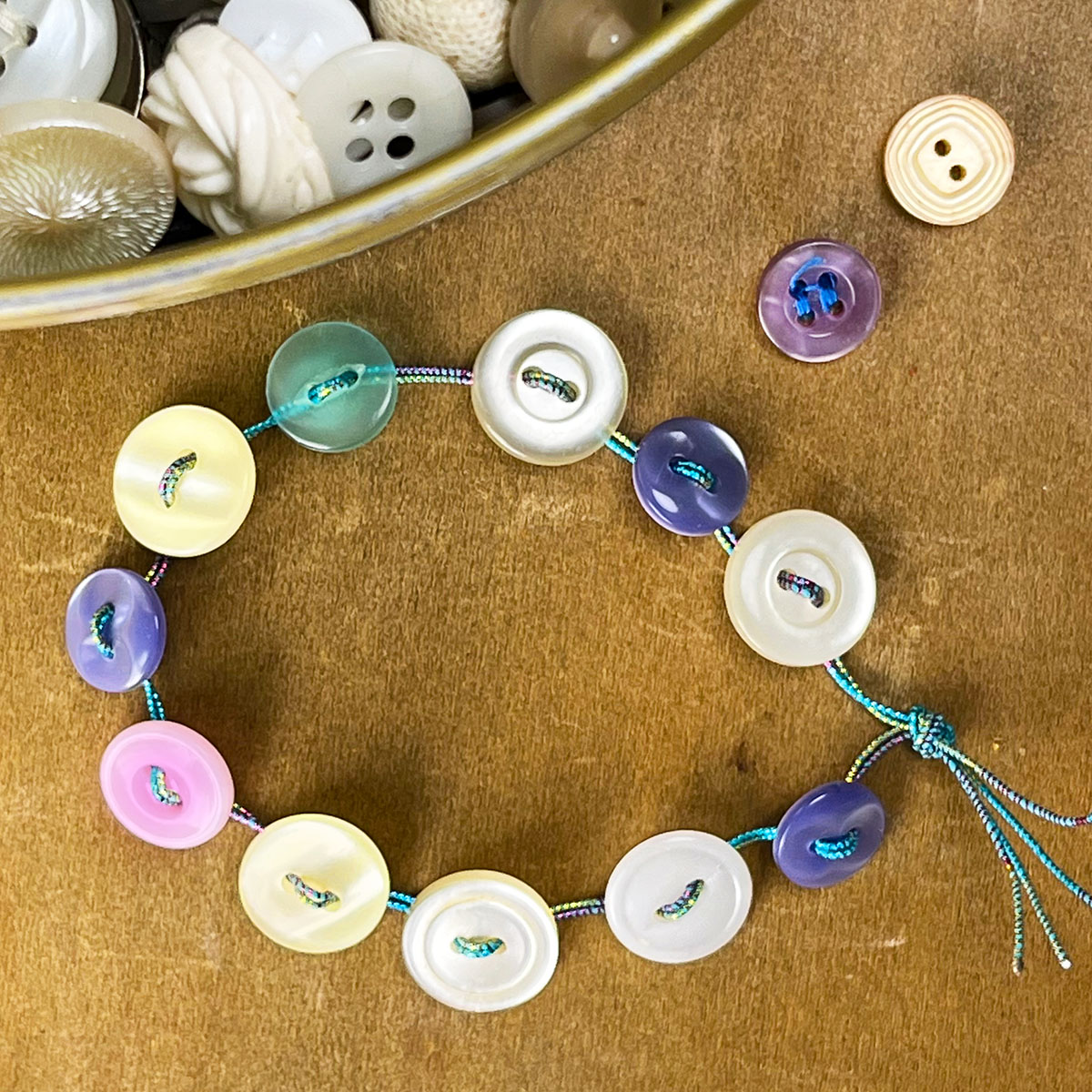
Vintage Button Tin Finds & Handmade Ideas
Explore vintage sewing notions, from colorful button collections and old thread
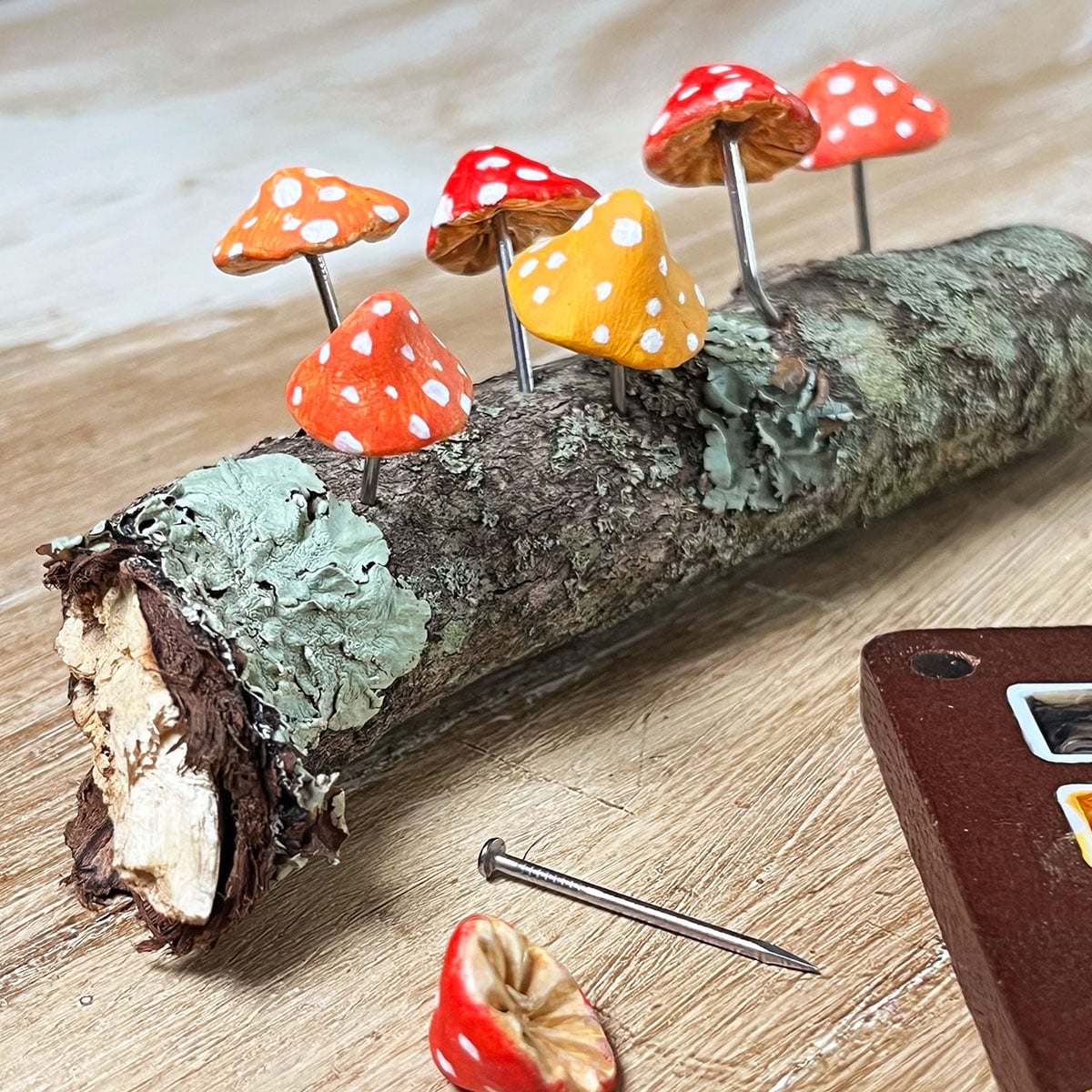
Spring — Handmade Details & Botanical Ephemera
Spring handmade ideas including thrifted finds, repurposed projects for the season,
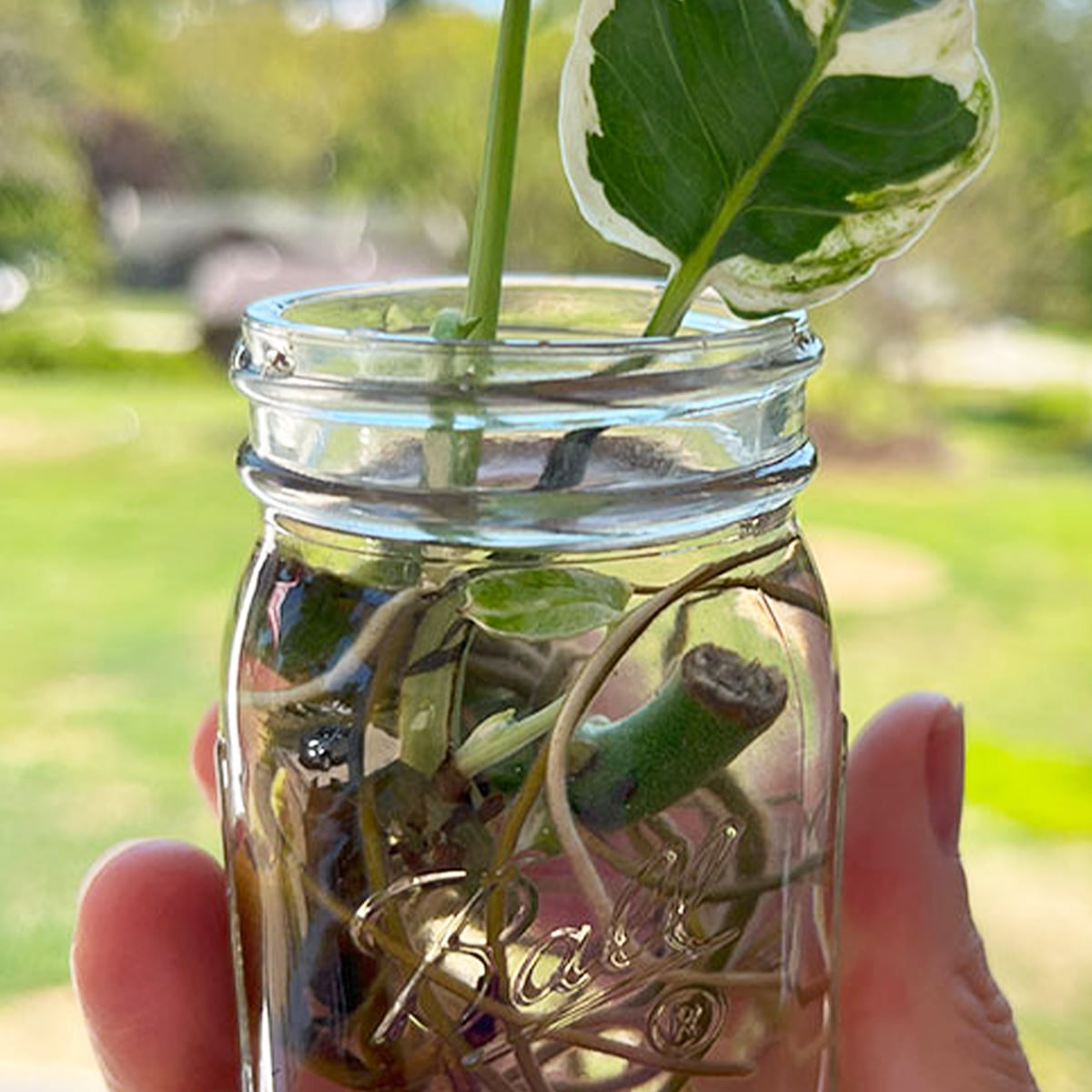
6 Creative Plant Propagation Station Ideas
Green Thumb Inspiration – Six clever vase ideas and plant propagation

15 Clever Repurposed Furniture & Refresh Ideas
Check out these thrifty small furniture upcycles from flea market finds
 Hi, I’m Dawn, a graphic designer, mom and weekend crafter! Join me on my adventures! I always have something new and inspiring going on. Learn more about me